

Sexual medicine is a field that addresses the intricate relationship between physical, psychological, and social aspects of sexual health. At Spark Healthcare, we recognize the profound impact that sexual well-being has on overall quality of life.
What is sexual medicine? It’s a comprehensive approach to diagnosing, treating, and preventing sexual disorders and dysfunctions. This blog post will explore the key areas of sexual medicine, common issues, and groundbreaking advancements in the field.
What is Sexual Medicine?
Sexual medicine is a multidisciplinary field that addresses the complex interplay of physical, psychological, and social factors affecting sexual health. It focuses on the diagnosis, treatment, and prevention of conditions related to sexual health and function to improve the quality of life for individuals.
The Holistic Approach to Sexual Health
Sexual medicine takes a comprehensive view of sexual health. It recognizes that sexual well-being extends beyond physical function to include emotional well-being and social relationships. This holistic approach allows practitioners to address a wide range of issues, from erectile dysfunction and low libido to relationship problems and sexual trauma.
Physical Aspects of Sexual Medicine
The physical side of sexual medicine deals with anatomical and physiological factors that can affect sexual function. This includes hormonal imbalances, vascular issues, and neurological conditions. Studies show that the prevalence of complete erectile dysfunction increased from 5% at age 40 to 15% at age 70, with age being the variable most strongly associated with ED.
Psychological and Social Dimensions
The psychological component of sexual medicine holds equal importance. Mental health issues like depression and anxiety can significantly impact sexual function and satisfaction. Research in the Journal of Sexual Medicine has identified factors that influence women’s pelvic pain, sexual distress, and satisfaction, highlighting the need for psychological interventions in sexual health care.

Social factors, including relationship dynamics, cultural norms, and societal pressures, also play a crucial role in sexual health. Sexual medicine practitioners address these issues through counseling, education, and sometimes couples therapy.
The Impact on Overall Well-being
Sexual health significantly influences overall well-being. Research published in the Journal of Health and Social Behavior demonstrates that individuals who report satisfaction with their sex lives also report higher levels of happiness and life satisfaction. This underscores the need for comprehensive sexual health care as part of overall health management.
Telehealth in Sexual Medicine
The rise of telehealth has revolutionized access to sexual medicine services. It provides a confidential and accessible way for individuals to address their sexual health concerns. Telehealth platforms (such as those offered by Spark Healthcare) ensure that patients receive comprehensive care needed to improve their quality of life, all from the comfort of their own homes.
As we move forward, it’s important to understand the common sexual health issues that individuals face and how sexual medicine addresses these concerns.
Common Sexual Health Concerns
Sexual health issues affect millions of people worldwide, impacting their quality of life and relationships. Let’s explore some of the most common concerns and their potential causes.
Erectile Dysfunction: Beyond Age
Erectile dysfunction (ED) is a prevalent issue, affecting about 30 million men in the United States alone. While age increases the risk (from 5% at age 40 to 15% at age 70), it’s not the only cause. Cardiovascular diseases, diabetes, and certain medications contribute to ED. Lifestyle factors such as smoking, excessive alcohol consumption, and lack of physical activity also play a role.
Female Sexual Dysfunction: A Multifaceted Challenge
Female sexual dysfunction is equally important but often underdiagnosed. It encompasses various issues, including difficulty achieving orgasm, pain during intercourse, and lack of arousal. Female Sexual Interest/Arousal Disorder (FSIAD), a combination of two formerly separate disorders, is highly prevalent among women. Hormonal changes can significantly impact sexual function. Psychological factors, including stress, anxiety, and past trauma, also contribute to these issues.
Hormonal Imbalances and Libido
Low libido affects both men and women and often links to hormonal imbalances. In men, low testosterone levels can lead to decreased sex drive. For women, fluctuations in estrogen and progesterone, especially during menopause, can cause a drop in libido. Menopause can affect libido, intimacy, and overall well-being due to hormonal changes.
Sexually Transmitted Infections
Sexually transmitted infections (STIs) remain a significant concern in sexual health. The Centers for Disease Control and Prevention (CDC) estimates that there are approximately 20 million new STI cases each year in the United States. Common STIs include chlamydia, gonorrhea, and human papillomavirus (HPV). Regular testing and safe sex practices are essential for prevention and early detection.
Addressing Sexual Health Concerns
Addressing these issues often requires a multifaceted approach. Many healthcare providers now offer comprehensive telehealth services for sexual health concerns, ensuring patients receive personalized care from the comfort of their homes. This approach combines medical interventions with psychological support, recognizing the complex nature of sexual health.
Sexual health issues are medical conditions that deserve attention and treatment. Seeking professional help is the first step towards improving sexual well-being and overall quality of life. The field of sexual medicine continues to advance, offering new and innovative treatments for these common concerns. Let’s explore these advancements in the next section.

Revolutionizing Sexual Health Care
Innovative Treatments for Sexual Dysfunction
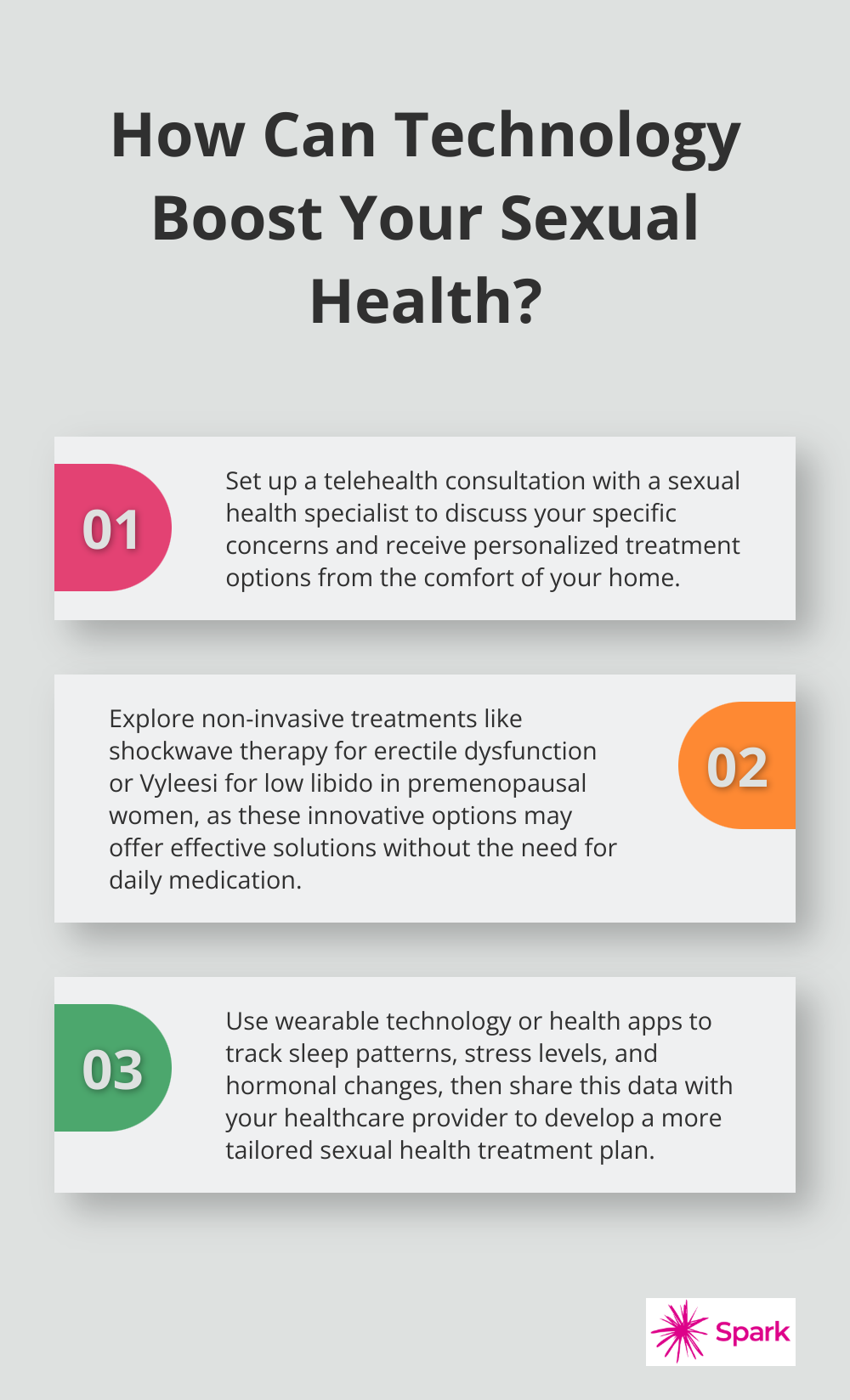
Sexual medicine has made significant strides in recent years, offering new hope to those struggling with sexual health issues. For erectile dysfunction, shockwave therapy has emerged as a promising non-invasive option. This technique uses low-intensity sound waves to enhance blood flow to the penis, potentially restoring natural erectile function. Off-label use of low-intensity extracorporeal shockwave therapy for treating erectile dysfunction (ED) is growing in popularity in the United States.
Women experiencing sexual dysfunction, particularly low libido, now have access to FDA-approved Vyleesi (bremelanotide). Unlike daily pills, patients self-administer Vyleesi as needed through a subcutaneous injection. The FDA approved Vyleesi on June 21, 2019, to treat acquired, generalized hypoactive sexual desire disorder (HSDD) in premenopausal women.
Telemedicine Transforms Sexual Health Care
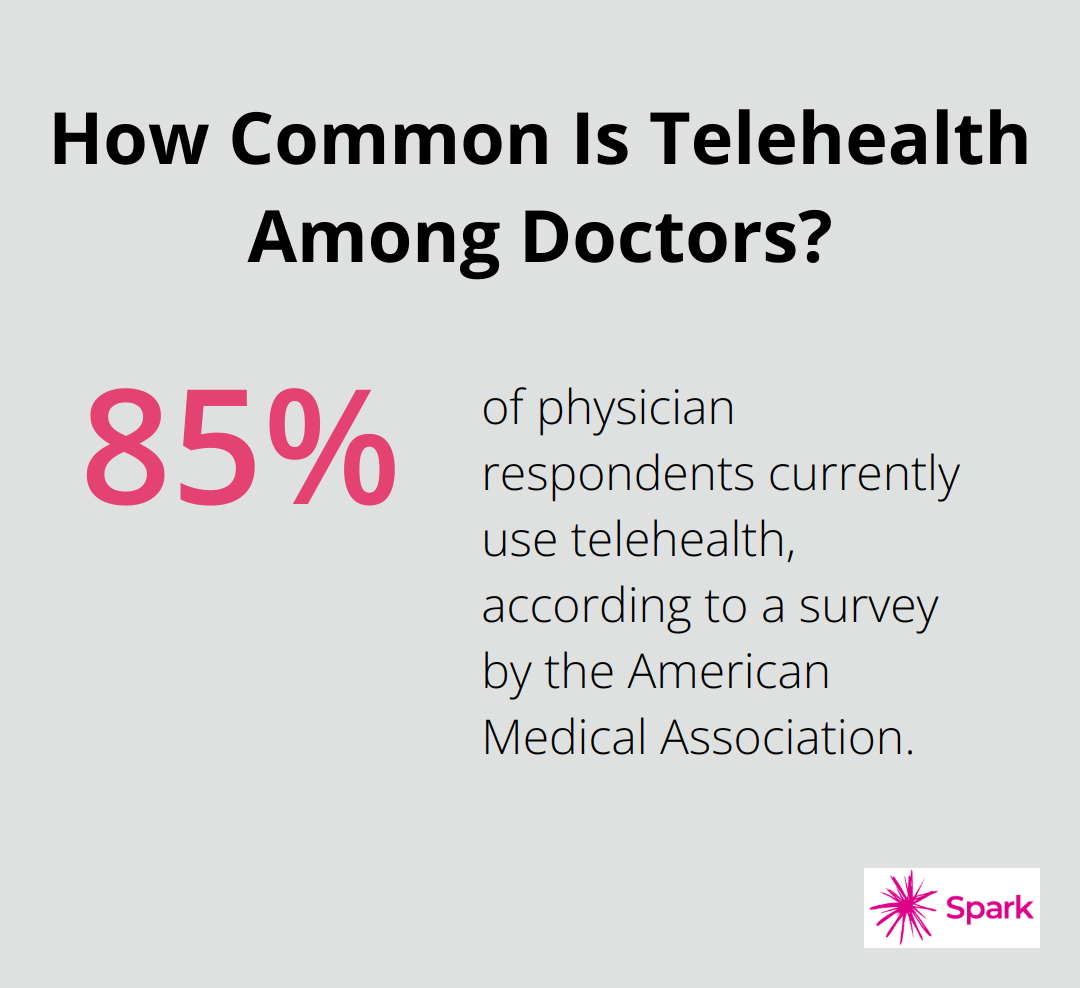
Telemedicine has revolutionized access to sexual health services, breaking down barriers of stigma and inconvenience. Virtual consultations allow patients to discuss sensitive issues from their homes, leading to increased engagement with sexual health care. A survey by the American Medical Association found that 85% of physician respondents currently use telehealth, with many planning to increase its use in their practices.
Personalized Medicine: Tailored Treatment Approaches
The field of sexual medicine has moved away from one-size-fits-all approaches. Personalized medicine, which considers an individual’s genetic makeup, lifestyle, and specific health concerns, has gained traction. Pharmacogenomic testing, for instance, helps determine how an individual might respond to certain medications used to treat sexual dysfunction, allowing for more targeted and effective treatment plans.
Wearable technology and health apps play an increasing role in personalized sexual health care. These tools track various health metrics (including sleep patterns, stress levels, and hormonal changes), which can all impact sexual function. This data allows healthcare providers to offer more tailored advice and treatment strategies.
The Future of Sexual Health Care
As sexual medicine continues to embrace these advancements, the future of sexual health care looks promising. New treatments and approaches offer hope to those struggling with sexual health issues. The combination of innovative therapies, telemedicine, and personalized medicine approaches paves the way for more effective and accessible sexual health care for all.
Final Thoughts
Sexual medicine encompasses physical, psychological, and social aspects that impact our sexual health. It plays a vital role in overall well-being, addressing a wide range of issues from erectile dysfunction to hormonal imbalances. Understanding what sexual medicine is and how it improves lives is essential for maintaining a high quality of life.
The future of sexual medicine promises more effective treatments and improved patient care. Ongoing research and technological advancements pave the way for innovative therapies and personalized approaches. These developments will provide more targeted, efficient, and accessible care for individuals dealing with sexual health issues.
Spark Mental Health offers telepsychiatry services for various conditions that can impact sexual health. We provide personalized, evidence-based care to support patients in achieving overall wellness. Your sexual health matters-it deserves the same attention and care as any other aspect of your health.