

At Spark Healthcare, we understand the importance of weight management for overall health. Many patients ask us, “Does Ambetter cover weight loss medication in 2025?”
This question reflects the growing interest in medical approaches to weight loss. In this post, we’ll explore Ambetter’s coverage policies for weight loss medications and provide you with the information you need to make informed decisions about your health and insurance options.
What Does Ambetter Cover?
Ambetter’s Health Insurance Plans
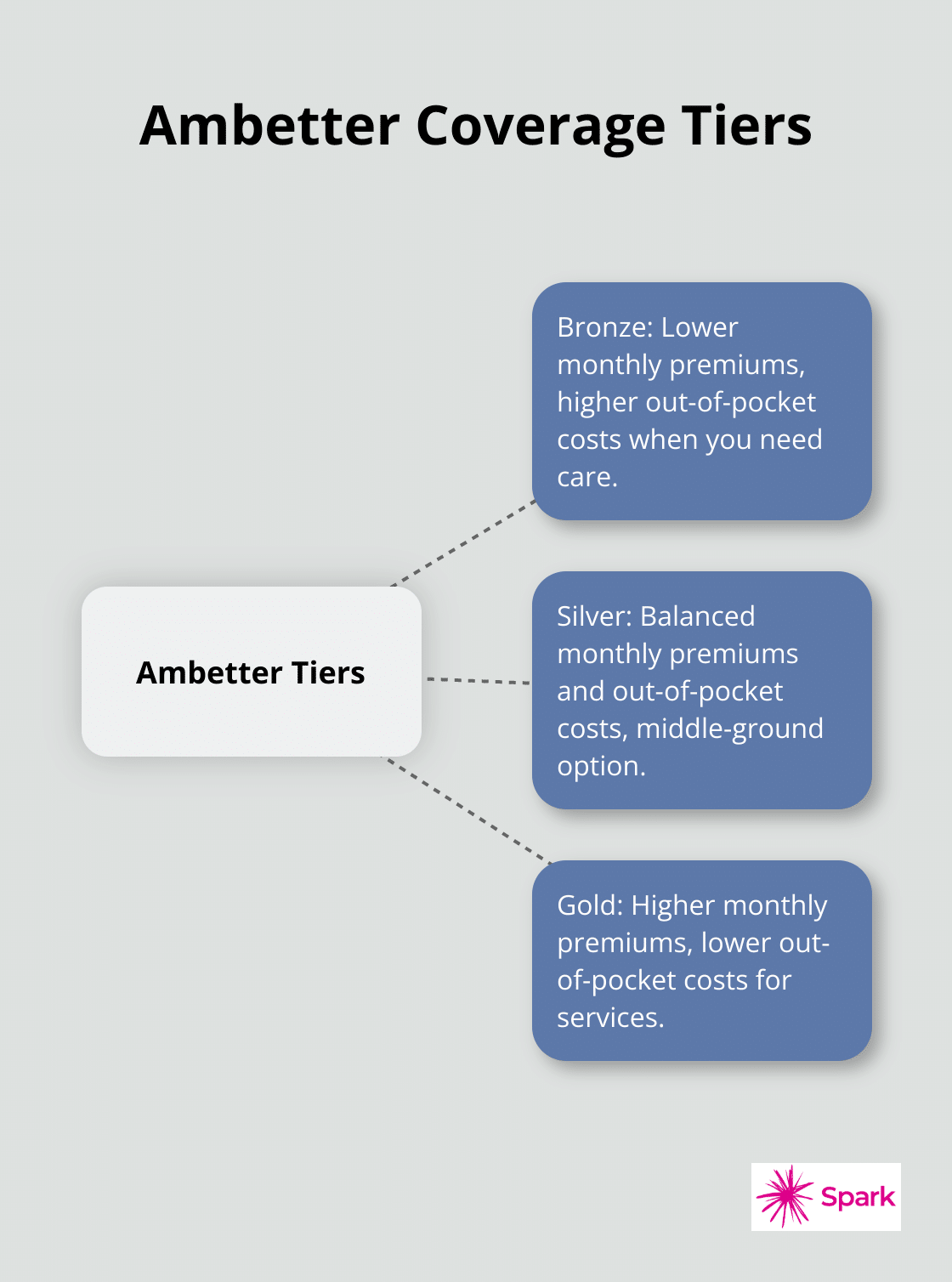
Ambetter health insurance, a product of Centene Corporation, offers a range of plans to meet diverse healthcare needs. Ambetter provides three main tiers of coverage: Bronze, Silver, and Gold. Each tier offers different levels of monthly premiums and out-of-pocket costs. Bronze plans typically have lower monthly premiums but higher out-of-pocket costs when you need care. Gold plans have higher monthly premiums but lower out-of-pocket costs for services.
Medication Coverage Under Ambetter
Ambetter’s pharmacy program strives to provide cost-effective medications to its members. The coverage includes a wide range of prescription drugs, including those for chronic conditions like diabetes and hypertension. However, the specific medications covered can vary depending on your state and plan type.
Weight Loss Medication Coverage
When it comes to weight loss medications, Ambetter’s coverage is more complex. As of 2025, Ambetter’s Tier 3 covers higher cost brand name and non-preferred generic drugs. This tier may also cover non-specialty drugs that are not on the lower tiers. However, coverage for weight loss medications may still be limited.
It’s important to note that coverage policies can change, and they often vary by state. Some Ambetter plans may offer coverage for weight loss medications under specific circumstances, such as when obesity causes other health issues.
Determining Coverage for Weight Loss Medications
To determine if a specific weight loss medication receives coverage under your Ambetter plan, you should:
- Check your plan’s formulary (list of covered drugs)
- Consult with your healthcare provider about medical necessity
- Contact Ambetter directly for the most up-to-date information on your plan’s coverage
While Ambetter’s policies on weight loss medication coverage may seem restrictive, it’s essential to explore all available options. In the next section, we’ll examine the landscape of weight loss medications in 2025, including popular FDA-approved drugs and new developments in the field.
It’s worth noting that the FDA has recently determined that the shortage of tirzepatide injection, a glucagon-like peptide 1 (GLP-1) medication, has been resolved. This may impact the availability and potentially the coverage of certain weight loss medications.
Weight Loss Drugs in 2025: New and Effective Options
FDA-Approved Weight Loss Medications
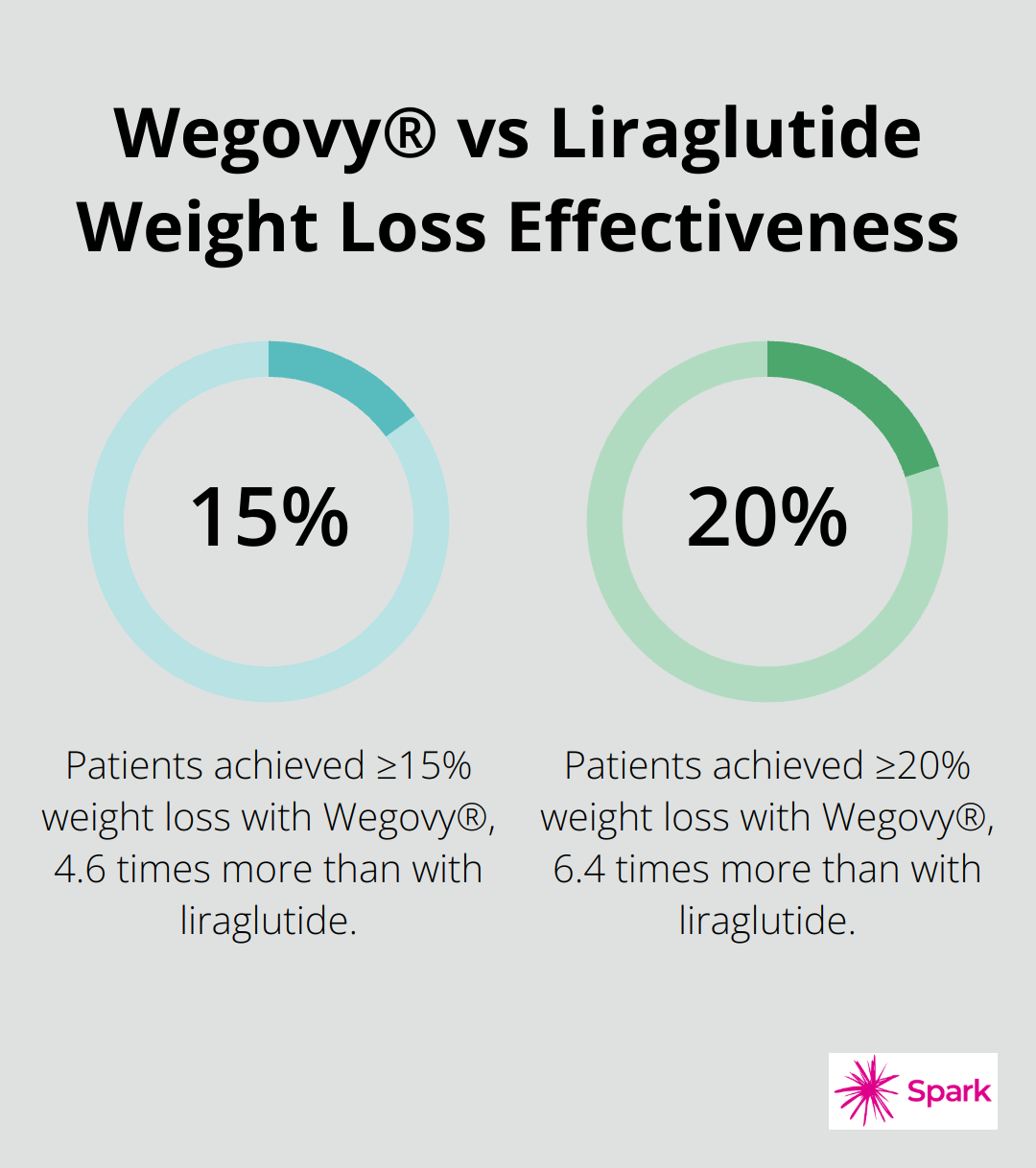
The weight loss medication landscape has transformed significantly by 2025. Semaglutide (Wegovy) stands out due to its effectiveness. Clinical trials reveal that 4.6 times more patients achieved ≥15% weight loss and 6.4 times more patients achieved ≥20% weight loss with Wegovy® than with liraglutide 3 mg at 68 weeks.
Tirzepatide, initially approved for diabetes treatment, now also treats weight loss. Studies show tirzepatide can lead to weight loss of up to 22.5% in some patients.
Phentermine-topiramate (Qsymia) and naltrexone-bupropion (Contrave) remain prescribed options, offering alternatives for patients who may not respond well to newer GLP-1 receptor agonists.
Emerging Treatments and Research
Weight loss medication research continues to advance. A promising area includes the development of dual and triple agonist drugs that target multiple receptors involved in appetite regulation and metabolism. These medications aim to provide more significant weight loss with fewer side effects.
Gut microbiome modulators represent another exciting development. These drugs alter the balance of bacteria in the digestive system, potentially influencing metabolism and weight loss. Scientists have uncovered how gut bacteria’s sugar-derived compounds influence metabolism, helping control blood sugar, reduce fat accumulation, and pave the way for new weight management approaches.
Effectiveness and Safety Considerations
Weight loss medications have improved dramatically in effectiveness. However, these drugs work best when combined with lifestyle changes, including diet and exercise. The FDA requires that weight loss drugs demonstrate a minimum of 5% weight loss compared to placebo over one year to gain approval.
Safety remains a top priority. Newer medications like semaglutide and tirzepatide have shown favorable safety profiles, but they can cause side effects such as nausea, diarrhea, and constipation. Long-term studies continue to assess the safety of prolonged use.
Weight loss medications typically treat individuals with a BMI of 30 or higher (or 27 and above with at least one weight-related comorbidity). Healthcare providers consider overall health status and potential risks before prescribing these medications.
Comprehensive Approach to Weight Management
A holistic strategy that includes behavioral changes and ongoing medical supervision complements the power of weight loss medications. Telehealth services (like those provided by Spark Healthcare) offer convenient access to healthcare professionals who can guide patients through their weight loss journey, combining medication management with lifestyle interventions.
As we explore the effectiveness of these medications, it’s important to understand how insurance coverage, particularly Ambetter’s policies, impacts access to these treatments. Let’s examine Ambetter’s stance on covering weight loss medications in the next section.
Navigating Ambetter’s Weight Loss Medication Coverage in 2025
Understanding Ambetter’s Coverage Approach
Ambetter does not typically include weight loss drugs as a standard benefit across all plans in 2025. However, coverage is not entirely ruled out. The company’s approach to covering weight loss medications depends on several factors and can vary significantly.
Coverage Criteria and Prior Authorization
Ambetter often requires prior authorization for members who seek coverage for weight loss medications. This process involves healthcare providers submitting documentation to justify the medical necessity of the medication. Ambetter considers covering weight loss drugs under certain conditions.
Even with prior authorization, coverage is not guaranteed. Ambetter reviews each case individually, taking into account the specific medication requested and the patient’s medical history.
Tier System and Formulary Placement
Ambetter uses a tiered system for prescription drug coverage. Weight loss medications, when covered, often fall into higher tiers, which typically result in higher out-of-pocket costs for members.
This tiered placement significantly impacts costs. A Tier 3 medication might require a copayment, while a Tier 4 drug could have a coinsurance requirement of the drug’s total cost.
Managing Out-of-Pocket Expenses
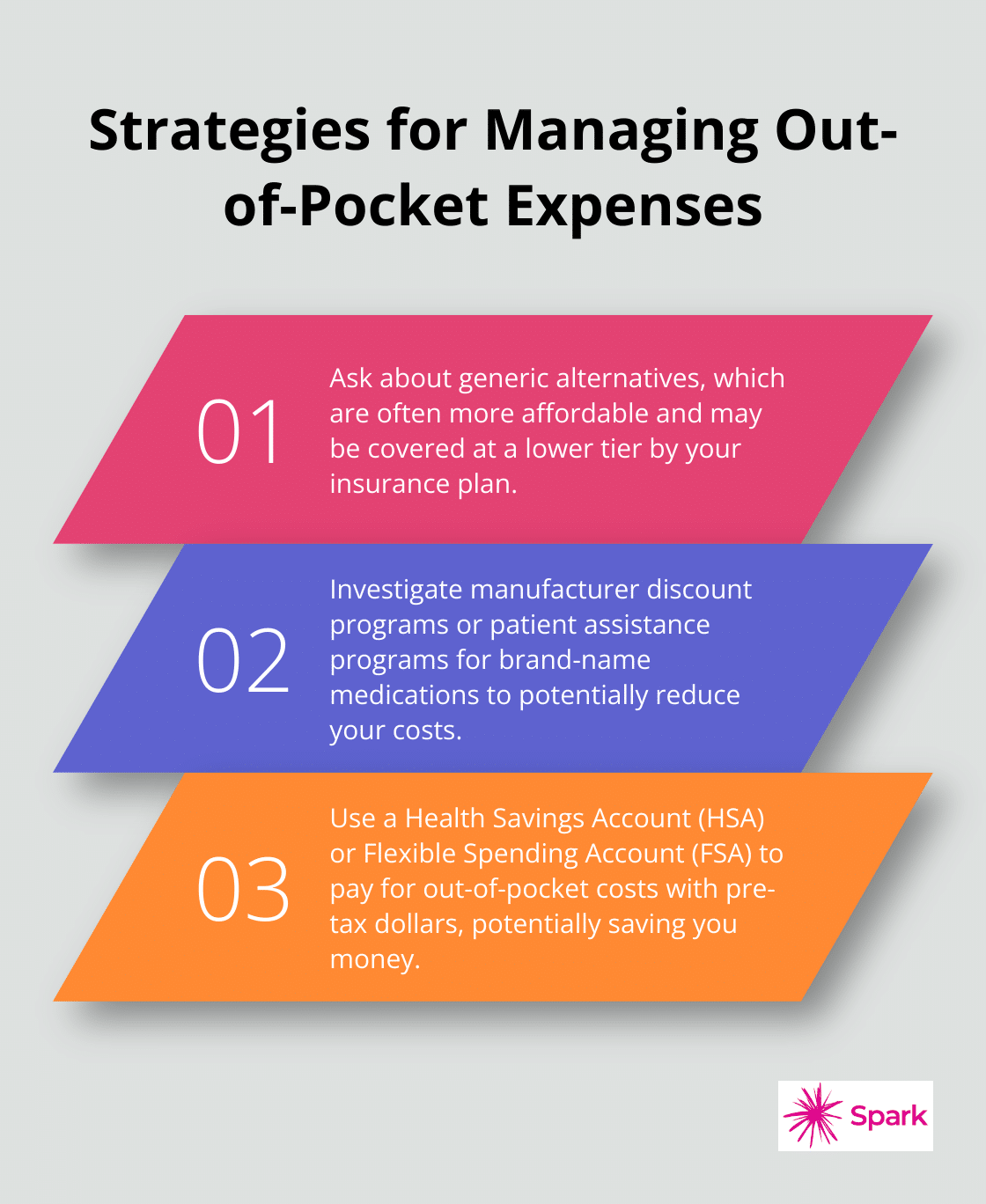
Given the potential for high out-of-pocket costs, patients should explore all options for managing expenses:
- Ask about generic alternatives, which are often more affordable
- Investigate manufacturer discount programs or patient assistance programs for brand-name medications
- Use a Health Savings Account (HSA) or Flexible Spending Account (FSA) to pay for out-of-pocket costs with pre-tax dollars
- Discuss with your provider the possibility of starting with a lower dose and gradually increasing, which can sometimes reduce initial costs
Consultation and Information Gathering
Patients should consult directly with Ambetter and their healthcare provider for the most accurate and up-to-date information regarding their specific plan and medical needs. This step ensures that individuals make informed decisions about their treatment options and potential costs.
Final Thoughts
Ambetter’s coverage for weight loss medication in 2025 depends on specific plan details and medical necessity. Patients must review their policy documents and contact Ambetter representatives to understand their options fully. Alternative paths for weight management exist, including lifestyle modifications, nutritional counseling, and behavioral therapy.
Healthcare providers play a vital role in offering personalized advice, exploring alternative treatments, and potentially advocating for coverage when weight loss medication is medically necessary. They can guide patients through the prior authorization process if required. Patients should work closely with their doctors to determine the best approach for their individual needs.
At Spark Healthcare, we recognize the interconnectedness of physical and mental well-being. Our telepsychiatry services offer support for conditions that often coexist with weight management issues, such as anxiety and depression. We encourage individuals to explore all available options and make informed decisions about their weight management strategies in 2025 and beyond.