
Shedding those extra pounds can transform your life in more ways than you might imagine. At Spark Healthcare, we’ve seen firsthand how weight loss can lead to remarkable improvements in overall well-being.
The health benefits of weight loss extend far beyond just fitting into smaller clothes. From boosting heart health to enhancing mental clarity, the positive impacts are truly life-changing.
How Weight Loss Boosts Heart Health
Losing weight stands as one of the most effective ways to improve cardiovascular health. When you shed extra pounds, you don’t just change your appearance – you give your heart a much-needed break.
Easing the Heart’s Workload
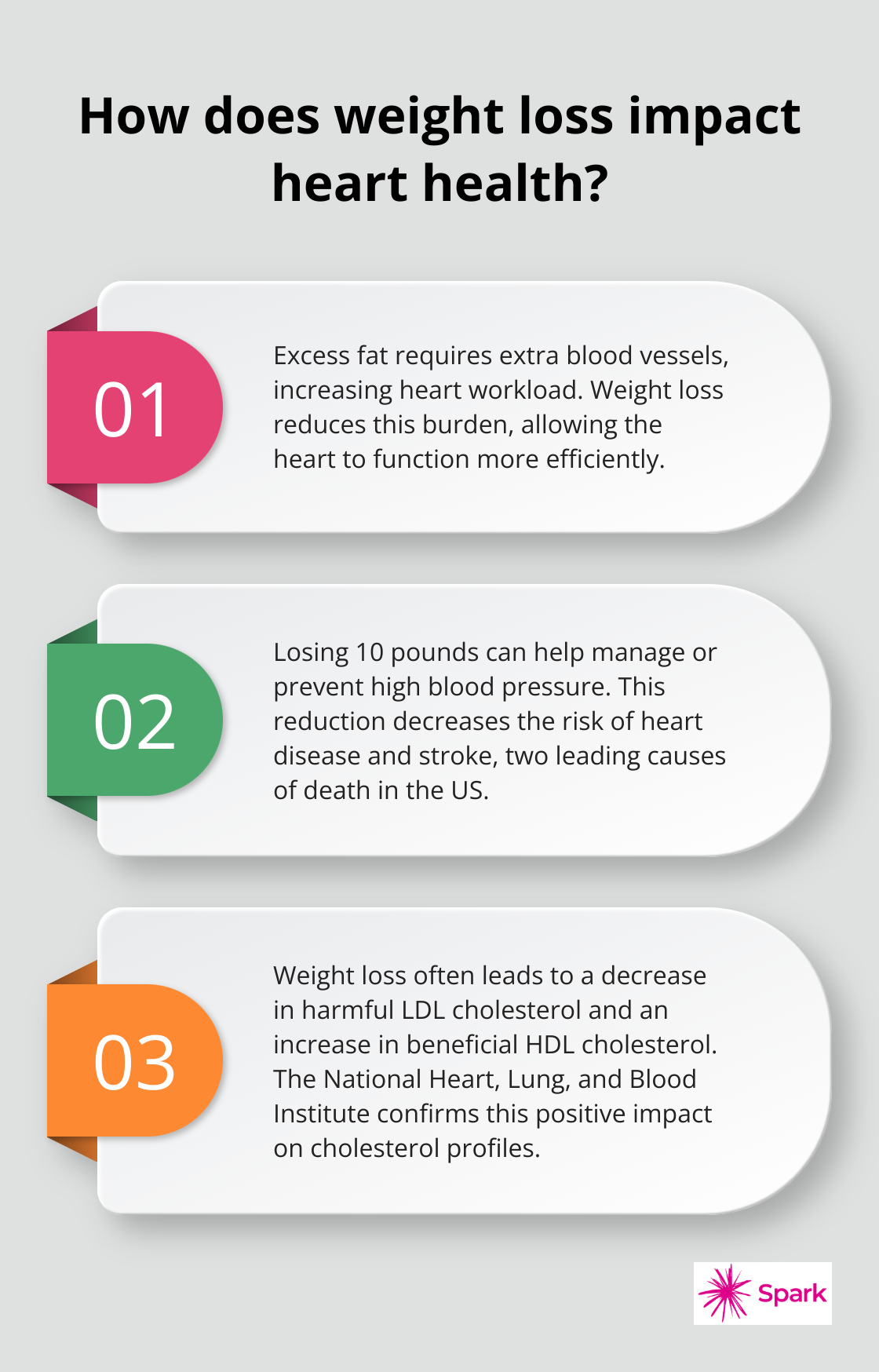
Excess fat requires hundreds of extra blood vessels to supply it with oxygen and nutrients. This forces your heart to work harder to pump blood throughout your body. Weight loss reduces this workload, allowing your heart to function more efficiently.
Natural Blood Pressure Reduction
High blood pressure silently damages your health, but weight loss can counteract this threat. The American Heart Association reports that losing 10 pounds can help manage or prevent high blood pressure. This reduction decreases your risk of heart disease and stroke (two leading causes of death in the United States).
Cholesterol Profile Improvement
Excess weight often correlates with unhealthy cholesterol levels. As you lose weight, you’ll likely see a decrease in harmful LDL cholesterol and an increase in beneficial HDL cholesterol. The National Heart, Lung, and Blood Institute states that losing extra pounds may help lower your LDL and triglycerides, while raising your HDL.
Enhanced Blood Flow and Oxygen Delivery
Weight loss benefits extend beyond your heart to your entire circulatory system. As you shed pounds, your blood vessels become more flexible and efficient at delivering oxygen-rich blood to your muscles and organs. This improved circulation can lead to increased energy levels and better overall health.
Long-Term Heart Health Benefits
The positive effects of weight loss on heart health can last for years. A study published in the Journal of the American Heart Association found that obesity contributes directly to incident cardiovascular risk factors, including dyslipidemia, type 2 diabetes, hypertension, and sleep disorders. This underscores the importance of not just losing weight, but maintaining a healthy weight over time.
As you embark on your weight loss journey, you’ll not only see improvements in your heart health but also experience positive changes in your mental and emotional well-being. Let’s explore how shedding those extra pounds can boost your mood and self-esteem.
How Weight Loss Transforms Your Mind
Weight loss doesn’t just reshape your body; it revolutionizes your mental landscape. Shedding extra pounds can be a powerful catalyst for positive change in your emotional well-being and overall quality of life.
Boosting Self-Esteem and Confidence
As the numbers on the scale decrease, self-esteem often soars. A study published in the International Journal of Behavioral Nutrition and Physical Activity found that improved body image mediated the effects of obesity treatment on eating self-regulation. This boost in confidence can ripple through all aspects of life, from personal relationships to professional endeavors.
Breaking the Depression-Obesity Cycle
The link between obesity and depression is well-documented. Research shows that obesity increases the risk of depression, most pronounced among Americans and for clinically diagnosed depression. Weight loss can help break this cycle. As physical health improves, many people experience a lifting of depressive symptoms and a renewed sense of hope.
Energizing Your Daily Life
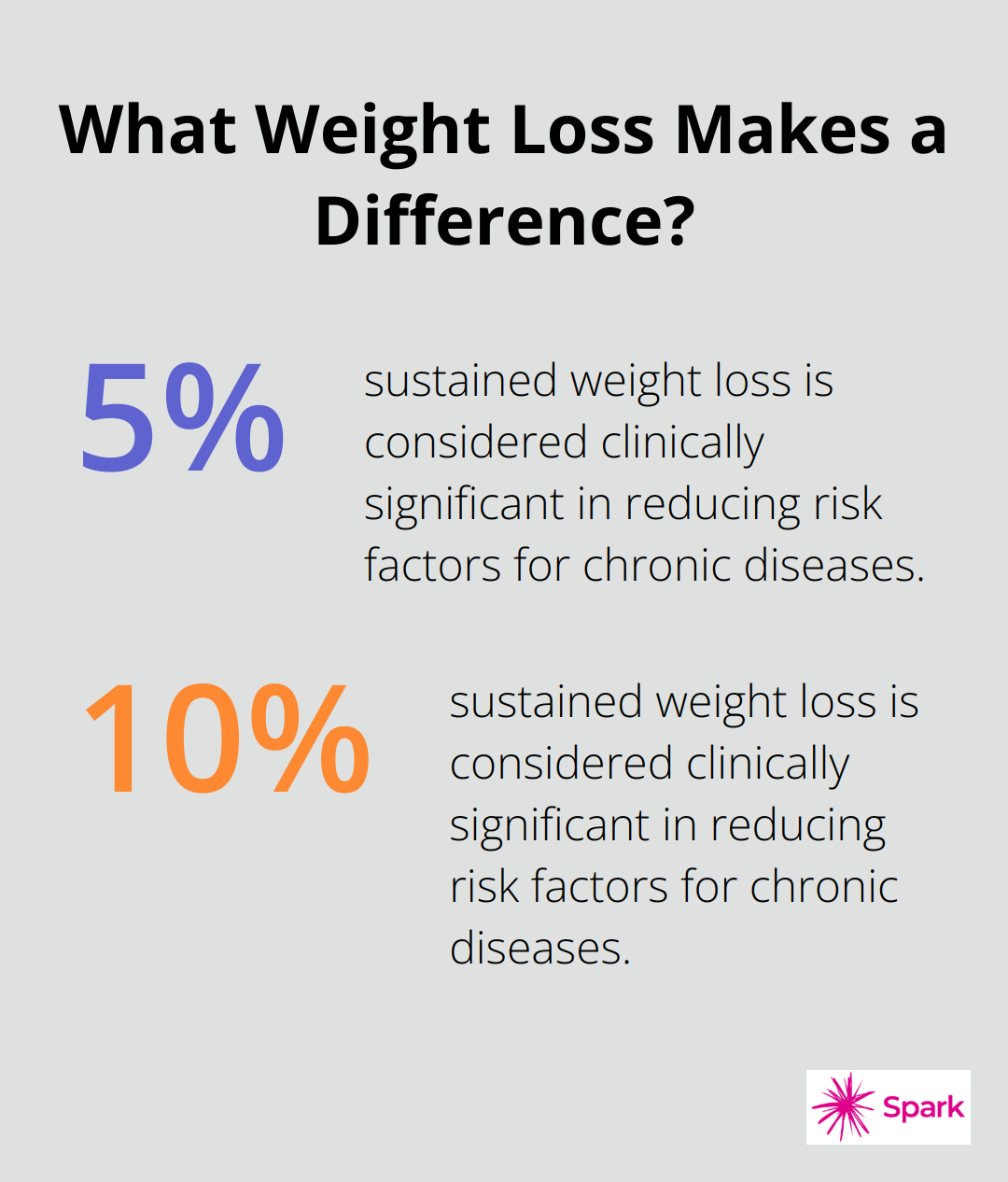
Weight loss often leads to a surge in energy levels. This isn’t just about feeling less weighed down physically; it’s about a fundamental shift in your body’s efficiency. The National Weight Control Registry reports that sustained weight loss of as little as 5% to 10% is considered clinically significant, as it reduces risk factors for a variety of chronic diseases.
Improving Sleep Quality
Quality sleep and weight loss go hand in hand. A study in the journal Sleep found that people who lost at least 5% of their body weight were more likely to sleep longer and have better sleep quality. This improvement in sleep patterns can lead to better mood regulation, increased cognitive function, and overall improved mental health.
Enhancing Overall Mental Well-being
Weight loss can have a profound impact on mental health beyond just mood improvement. Many individuals report reduced anxiety, increased mental clarity, and a greater sense of control over their lives. These mental health benefits (often overlooked in weight loss discussions) can be just as transformative as the physical changes.
The mental and emotional benefits of weight loss are clear, but the positive effects don’t stop there. Next, we’ll explore how shedding those extra pounds can dramatically improve your physical health and mobility, opening up a world of new possibilities for an active lifestyle.
How Weight Loss Transforms Physical Health
Reducing Joint Stress
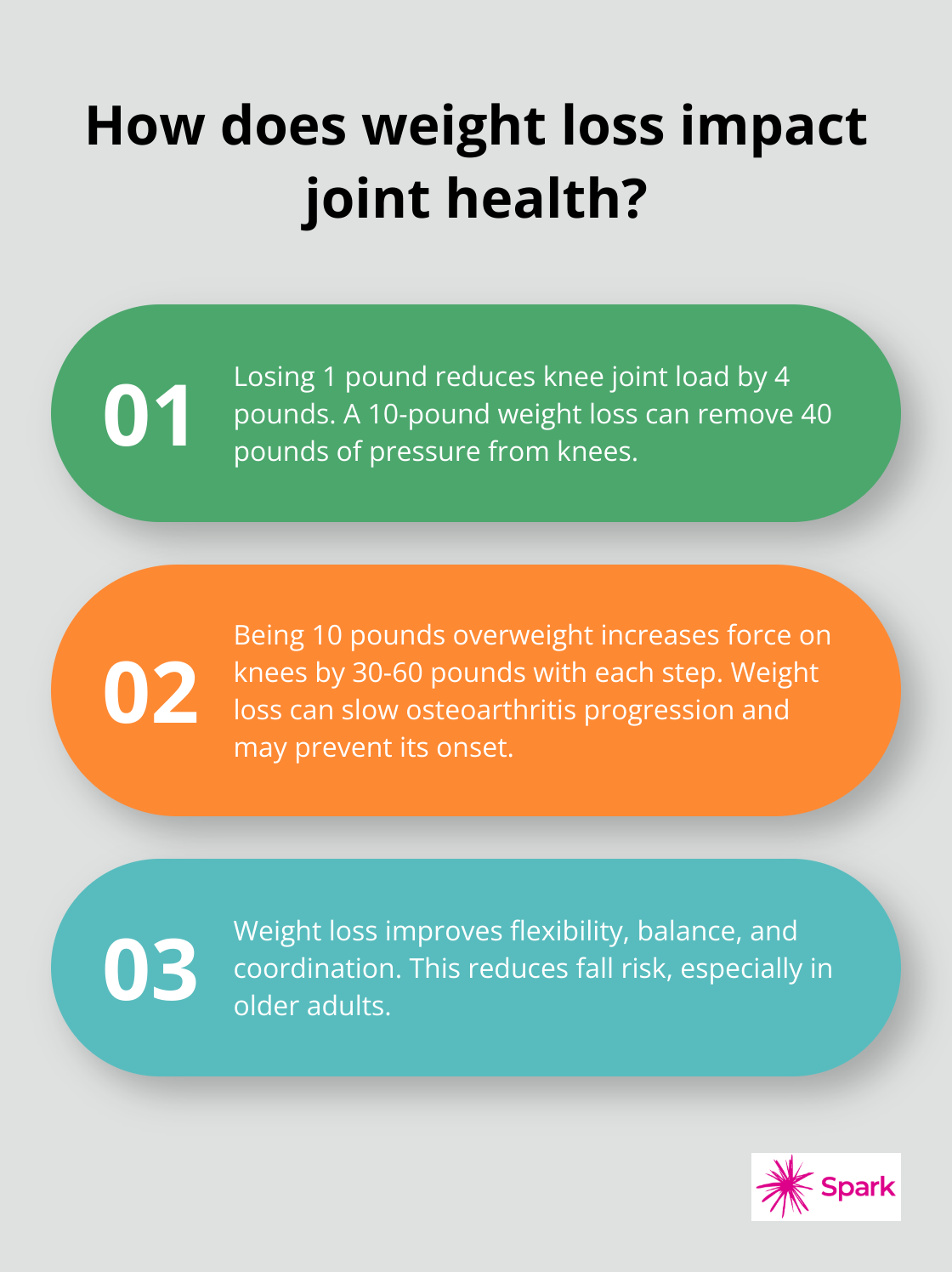
Extra weight places significant stress on joints, particularly knees, hips, and the lower back. The Arthritis Foundation states that each pound lost reduces knee joint load by 4 pounds. A 10-pound weight loss can remove 40 pounds of pressure from your knees. This reduction in joint stress often leads to decreased pain and improved mobility.
Enhancing Flexibility and Motion Range
Weight loss often results in improved flexibility and a wider range of motion. Daily tasks (like tying shoelaces or reaching for high objects) become easier. The American Council on Exercise notes that weight loss can improve balance and coordination, which reduces fall risk (especially in older adults).
Mitigating Osteoarthritis Progression
Osteoarthritis, the most common form of arthritis, has strong links to excess weight. The Johns Hopkins Arthritis Center reports that being just 10 pounds overweight increases force on knees by 30-60 pounds with each step. Weight loss can slow osteoarthritis progression and may prevent its onset, which preserves long-term joint health and maintains mobility as you age.
Increasing Endurance and Energy
Weight loss often leads to a significant increase in physical endurance and overall energy levels. As you lose weight, your body becomes more efficient at using oxygen, making physical activities less taxing. Regular physical activity (which becomes easier with weight loss) can lower your risk of various health conditions, including cardiovascular diseases, cancer, and other noncommunicable diseases.
Improving Overall Physical Function
Weight loss can lead to improvements in various aspects of physical function. These improvements include better posture, reduced back pain, and increased muscle strength relative to body weight. The National Weight Control Registry found that individuals who maintained a weight loss of at least 30 pounds for one year reported significant improvements in physical function, vitality, and overall health.
Final Thoughts
The health benefits of weight loss extend far beyond appearance. You will reduce your risk of heart disease, lower your blood pressure, and improve your cholesterol levels. Your self-esteem will increase, symptoms of depression and anxiety will decrease, and your sleep quality will improve.
Weight loss will decrease joint pain, enhance mobility, and increase your endurance and stamina. These improvements will create a positive ripple effect throughout your life. You will become more energetic, confident, and capable of fully engaging in activities you enjoy.
We at Spark Healthcare understand the significant role mental health plays in weight management. Our personalized telepsychiatry services can support conditions like anxiety and depression, which often intersect with weight issues. You can create a solid foundation for lasting weight loss and improved overall well-being by addressing both physical and mental health.