

Touch therapy for trauma is a powerful tool in the healing process for survivors. At Spark Mental Health, we’ve seen firsthand how this approach can transform lives.
This blog post explores the benefits of touch therapy and provides practical guidance on implementing it safely for trauma recovery. We’ll delve into various techniques, their impact on emotional regulation, and how to integrate them into a comprehensive treatment plan.
What is Touch Therapy for Trauma?
Touch therapy for trauma is a specialized approach that uses physical contact to promote healing and recovery. This method recognizes the profound impact that touch can have on our emotional and physical well-being, especially for those who have experienced trauma.
The Science Behind Touch Therapy
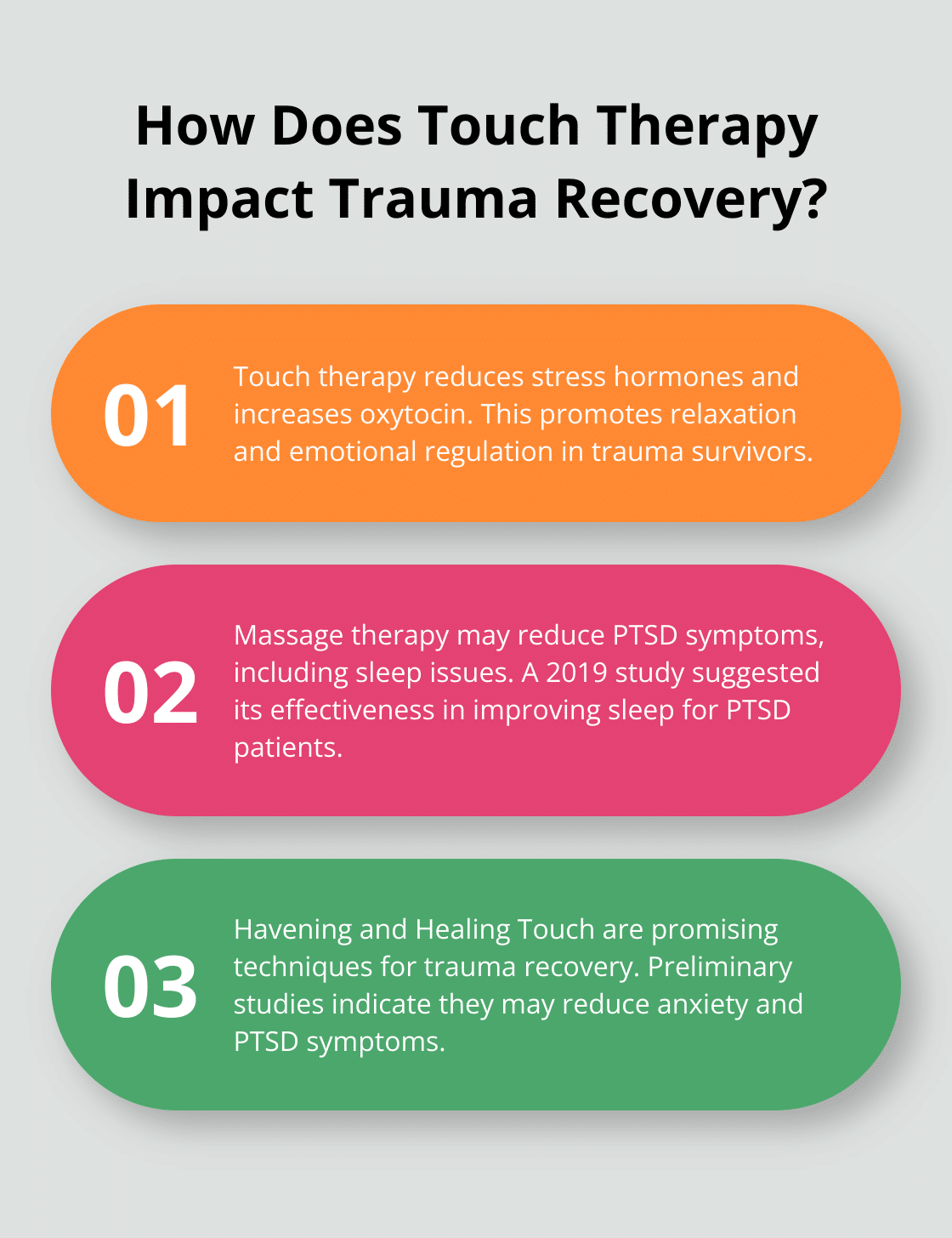
Research shows that appropriate, therapeutic touch can significantly reduce stress hormones like cortisol while increasing oxytocin (often called the “bonding hormone”). These changes can help trauma survivors feel more relaxed, connected, and emotionally regulated.
Common Touch Therapy Techniques
Several touch therapy techniques show promise in trauma recovery:
- Massage Therapy: This involves manipulating soft tissues to reduce muscle tension and promote relaxation. A 2019 study suggested that massage therapy may be able to reduce the symptoms of PTSD, including difficulty falling or staying asleep.
- Havening: This psychosensory therapy uses gentle, repetitive touch on the arms, face, and palms to help process traumatic memories. While research continues, preliminary studies suggest it may reduce anxiety and PTSD symptoms.
- Healing Touch: This energy-based approach aims to balance the body’s energy fields. A study examined the use of Healing Touch (HT), a biofield therapy, as an intervention in treating posttraumatic stress disorder (PTSD).
Integrating Touch Therapy into Trauma Treatment
When incorporating touch therapy into trauma treatment, it’s essential to work with a trained professional who understands trauma-informed care. A holistic approach that may include touch therapy alongside other evidence-based treatments (like cognitive-behavioral therapy or EMDR) often yields the best results.
It’s important to note that touch therapy isn’t suitable for everyone. Some trauma survivors may find physical contact triggering or uncomfortable. A skilled therapist will always prioritize the client’s comfort and obtain ongoing consent throughout the treatment process.
The Role of Professional Guidance
Professional guidance plays a key role in the effective application of touch therapy for trauma. Trained therapists can:
- Assess individual needs and tailor techniques accordingly
- Ensure a safe and comfortable environment for therapy
- Integrate touch therapy with other treatment modalities
- Monitor progress and adjust the approach as needed
As we explore the benefits of touch therapy in trauma recovery, it becomes clear that this approach offers a unique pathway to healing. The next section will examine how touch therapy can specifically aid in reducing anxiety, promoting relaxation, and fostering emotional regulation in trauma survivors.
How Touch Therapy Benefits Trauma Recovery
Reducing Anxiety and Stress
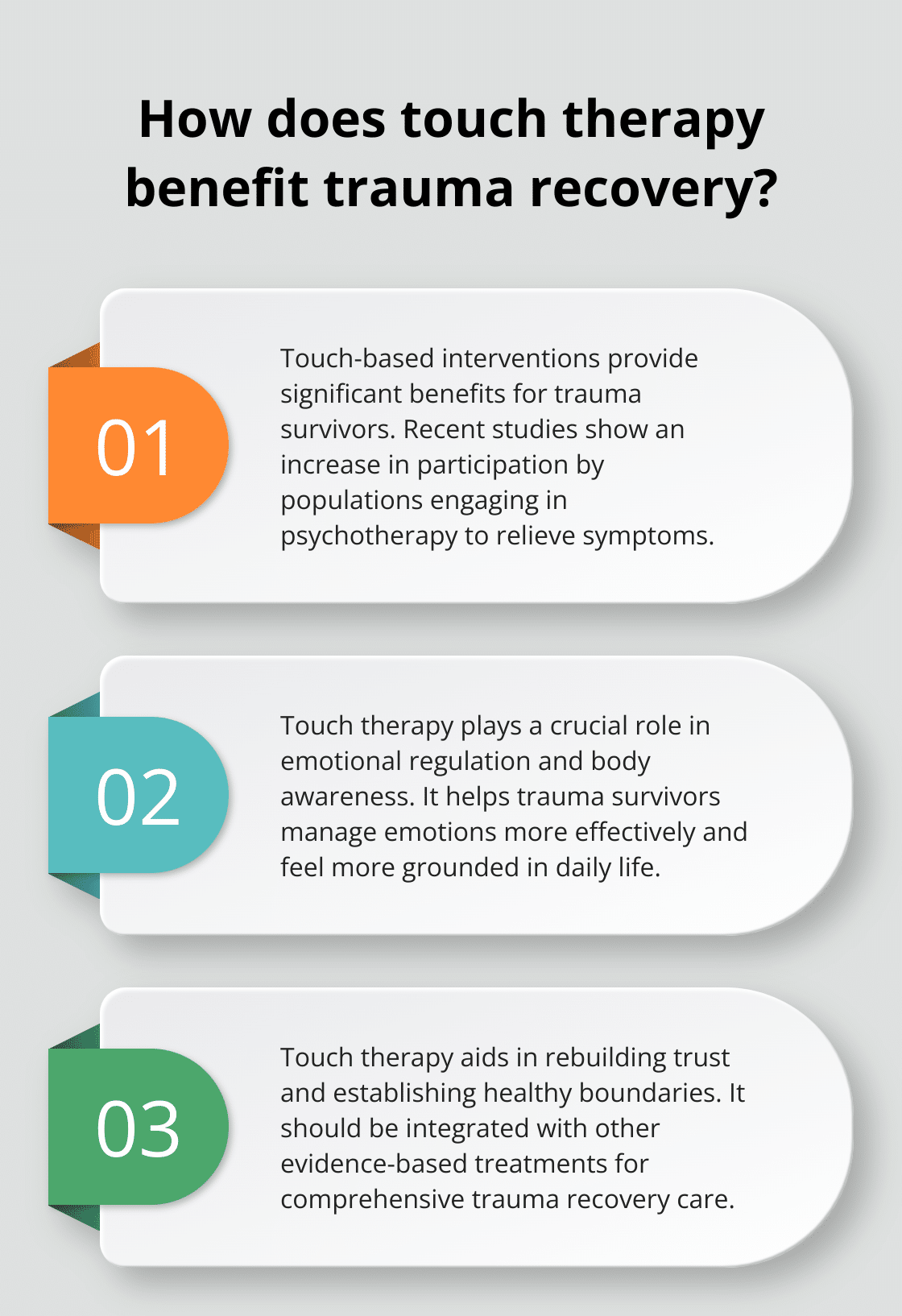
Touch-based interventions provide significant benefits for trauma survivors, offering a powerful tool for healing. This review identifies touch-based interventions in the treatment of PTSD and examines the role of touch with this population.
Promoting Emotional Regulation
Touch therapy plays a crucial role in emotional regulation. This biochemical boost helps trauma survivors manage their emotions more effectively and experience greater emotional stability.
Rebuilding Trust and Boundaries
For many trauma survivors, rebuilding trust and establishing healthy boundaries are essential steps in the recovery process. Recent studies involving therapeutic, direct touch with trauma survivors show an increase in participation by populations engaging in psychotherapy to relieve symptoms.
Enhancing Body Awareness
Touch therapy significantly enhances body awareness and self-connection, which are often disrupted by traumatic experiences. This improved body awareness helps trauma survivors feel more grounded and present in their daily lives.
Integrating Touch Therapy with Other Treatments
While touch therapy offers substantial benefits, it’s important to work with a qualified professional who understands trauma-informed care. Many mental health providers integrate touch therapy with other evidence-based treatments to create comprehensive, effective care plans for trauma recovery.
As we move forward, it’s essential to consider how to create a safe and supportive environment for this powerful healing modality. The next section will explore the practical aspects of implementing touch therapy safely for trauma survivors.
Safe Implementation of Touch Therapy
Creating a Secure Environment
The physical space for touch therapy must prioritize patient comfort and safety. Therapy rooms should offer privacy, quiet, and freedom from distractions. Soft lighting, comfortable seating, and a neutral color palette contribute to a calming atmosphere.
Informed Consent and Boundaries
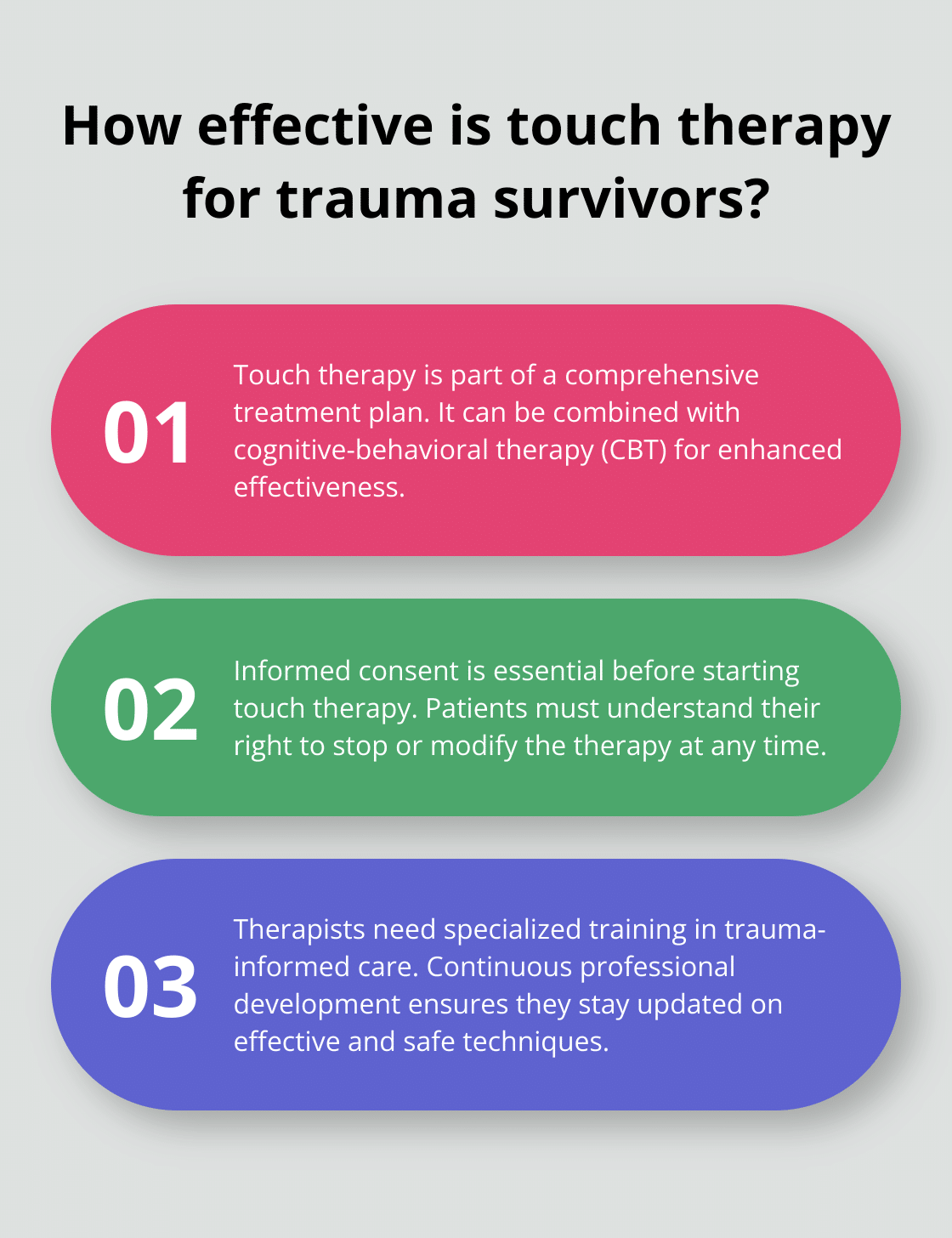
Informed consent is essential before starting any touch therapy. When explaining trauma-informed approaches to patients, it is important to describe trauma in terms that reduce stigma and accommodate low health literacy. This process includes a thorough explanation of the therapy, its potential benefits, and any risks involved. Patients must understand their right to stop or modify the therapy at any time.
Therapists should respect boundaries and regularly check in with patients during sessions, asking for verbal confirmation before proceeding with different techniques.
Tailoring Techniques to Individual Needs
Touch therapy must reflect the unique needs of each trauma survivor. Therapists should conduct thorough assessments to understand each patient’s history, triggers, and comfort levels. This information guides the selection and adaptation of touch therapy techniques.
Some patients might benefit from light touch techniques (like gentle stroking), while others may prefer firmer pressure.
Integration with Other Treatments
Touch therapy should not exist in isolation but as part of a comprehensive treatment plan. Integrating touch therapy with other evidence-based treatments can enhance overall effectiveness. For example, combining touch therapy with cognitive-behavioral therapy (CBT) has shown promising results. Studies collectively underscore the effectiveness of TF-CBT in reducing PTSD symptoms in children and adolescents compared to alternative approaches.
Professional Expertise and Training
Therapists who provide touch therapy for trauma survivors must possess specialized training and expertise. This training should include a deep understanding of trauma-informed care, body-based interventions, and the latest research in trauma recovery. Continuous professional development ensures that therapists stay updated on the most effective and safe touch therapy techniques.
Final Thoughts
Touch therapy for trauma offers a powerful path to recovery for survivors. This approach addresses both physical and emotional aspects of trauma, providing benefits beyond simple relaxation. Touch therapy reduces anxiety, improves emotional regulation, and enhances body awareness when implemented safely by trained professionals.

The integration of touch therapy into a comprehensive treatment plan can significantly enhance overall effectiveness in trauma recovery. When combined with other evidence-based treatments, it provides a holistic approach that addresses the complex nature of trauma. Touch therapy’s success depends on creating a secure environment, obtaining informed consent, and respecting boundaries.
At Spark Mental Health, we recognize the value of diverse therapeutic approaches in mental health treatment. We encourage you to explore the potential benefits of touch therapy as part of a broader treatment plan. Contact mental health professionals to discuss how touch therapy might fit into your personalized path to healing and recovery.